



Seattle Cybersecurity: Protect Company Data From Fake Shipping Alerts
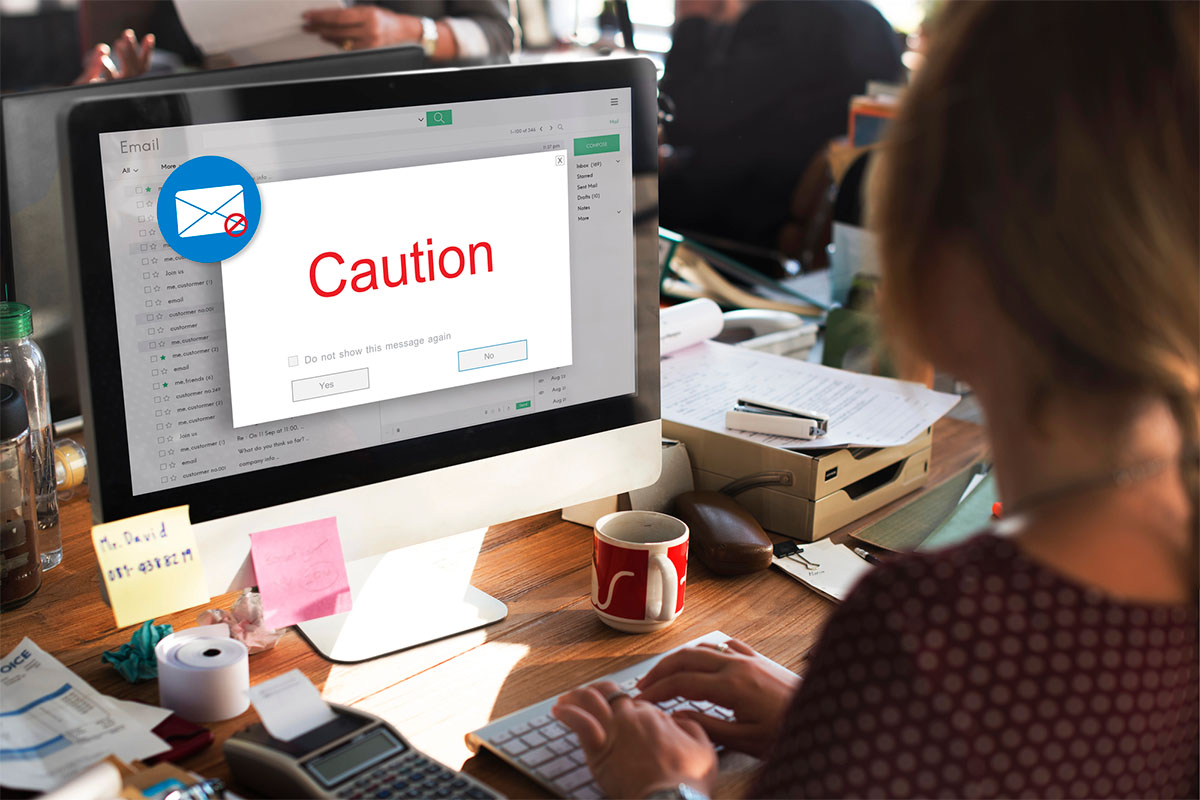

Between Thanksgiving and New Year’s, businesses send and receive more packages than any other time of year. Cybercriminals recognize this pattern and exploit it ruthlessly. Fraudulent emails disguised as FedEx, UPS, USPS, and Amazon notifications pour into corporate inboxes, designed to trick employees into compromising company systems and data. As part of a broader Seattle cybersecurity strategy, these seasonal risks must be taken seriously.
These attacks succeed because they hide among dozens of legitimate shipping emails. An employee waiting for an important delivery clicks without thinking, and suddenly malware infiltrates your network or stolen credentials give attackers direct access to business systems. The holiday season demands heightened vigilance against shipping scams that have become increasingly sophisticated and dangerous.
Anatomy of a Holiday Shipping Scam
Understanding how these attacks work helps organizations recognize and resist them.
- The Setup: Attackers send emails mimicking legitimate shipping carriers with remarkable precision. Professional logos, accurate formatting, and authentic-looking tracking numbers create convincing disguises. Subject lines reference delivery exceptions, package delays, or required actions that demand immediate attention.
- The Hook: Messages create urgency through problems requiring quick resolution. A package cannot be delivered. A shipment has been held. Payment is required before release. An address needs confirmation. Each scenario pressures recipients to click links or open attachments without careful consideration.
- The Payload: Clicking malicious links leads to credential harvesting pages that capture login information, or triggers malware downloads that infect company systems. Opening dangerous attachments executes code that compromises the computer and potentially spreads across the network.
- The Aftermath: Stolen credentials provide attackers access to email accounts, business applications, and sensitive data. Malware can establish persistent access, deploy ransomware, or exfiltrate valuable information before anyone realizes something went wrong.
Red Flags That Reveal Shipping Scams
Training employees to recognize warning signs provides crucial protection.
- Sender Address Discrepancies: Legitimate carriers use their official domains exclusively. Examine the actual email address, not just the display name. Addresses like “[email protected]” or “[email protected]” indicate fraud despite appearing professional.
- Link Destination Mismatches: Before clicking, hover over links to see actual destinations. A link labeled “Track Your Package” should lead to fedex.com, ups.com, or usps.com, not unfamiliar domains or suspicious URLs.
- Attachment Requests: Real shipping carriers rarely send attachments requiring download. Supposed shipping labels, customs forms, or delivery receipts in attached files likely contain malware.
- Payment Demands: Legitimate carriers don’t request payment through email links. Any message demanding fees for delivery, customs, or address corrections through provided links is almost certainly fraudulent.
Building Organizational Defenses
Technical controls and procedural safeguards reduce successful attack likelihood.
- Advanced Email Security: Modern email protection uses machine learning to identify phishing attempts based on subtle indicators invisible to human review. These systems catch sophisticated attacks that bypass traditional filters.
- URL Scanning and Rewriting: Email security that analyzes link destinations in real-time can block access to malicious sites even after employees click. This safety net catches human error before it causes damage.
- Attachment Analysis: Sandboxing technology that executes attachments in isolated environments detects malware before it reaches actual systems. Dangerous files get blocked automatically.
- Security Awareness Training: Regular training keeps phishing recognition skills sharp. Seasonal training specifically addressing holiday shipping scams prepares employees for predictable threat increases.
- Phishing Simulations: Testing employees with safe simulated attacks identifies those needing additional training while reinforcing awareness across the organization.
- Multi-Factor Authentication: When phishing does capture credentials, MFA prevents attackers from using them. This critical protection layer blocks unauthorized access even after password compromise.
- Clear Reporting Channels: Simple, non-punitive reporting procedures encourage employees to flag suspicious messages. Early reporting enables rapid response and warnings to others.
Responding When Attacks Succeed
Despite best efforts, some attacks penetrate defenses. Prepared organizations minimize damage through effective response with a managed service provider like Pacific Cloud Cyber:
- Disconnect potentially compromised devices from the network immediately. This prevents malware spread and blocks attacker lateral movement.
- Force password changes for any accounts that might be affected. Assume compromised credentials are already in attacker hands and act accordingly.
- Determine exactly what happened, what was accessed, and what damage occurred. This investigation guides remediation efforts and identifies additional compromised systems.
- Inform affected parties appropriately. Other employees may have received similar attacks. Customers or partners might need notification depending on what data was exposed.
- Restore affected systems from clean backups. Implement additional protections to prevent similar future incidents.
FAQs
What makes shipping scams more dangerous than other phishing attacks?
Holiday shipping scams exploit a perfect storm of conditions. Unlike targeted phishing requiring victim research, shipping scams apply to everyone since virtually all employees send or receive packages. The high volume of legitimate shipping emails during holidays provides cover for fraudulent messages. Holiday stress and distraction reduce careful evaluation of incoming messages. Time pressure created by shipping deadlines encourages quick clicks without verification. This combination of universal applicability, convenient cover, and reduced vigilance makes holiday shipping scams exceptionally effective and dangerous.
Should companies block all shipping notification emails during the holidays?
Blocking all shipping notifications would disrupt legitimate business operations too significantly for most organizations. Instead, implement layered protections that filter malicious messages while allowing genuine communications. Advanced email security can distinguish real carrier emails from fraudulent imitations with high accuracy. Combine technical controls with employee training so staff can identify suspicious messages that penetrate filters. Some organizations route shipping notifications through centralized channels for additional scrutiny, but complete blocking typically creates more problems than it solves.
How quickly do attackers act after successful scam clicks?
Attackers often act within minutes of successful phishing. Credential harvesting sites transmit stolen login information immediately, allowing attackers to access accounts before victims realize anything happened. Malware execution begins instantly upon download, establishing persistence and potentially beginning lateral movement across networks. Ransomware deployments can encrypt significant data within hours of initial access. This speed makes immediate response critical when attacks are suspected. Every minute of delay provides attackers additional time to expand access and cause damage.
Can attackers create fake tracking numbers that appear real?
Yes, sophisticated attackers include realistic tracking numbers that may even validate on carrier websites initially. Some scammers use legitimate tracking numbers from real shipments to add authenticity. Others create numbers that return generic status information or errors designed to prompt additional clicks. The presence of a valid-looking tracking number doesn’t guarantee message legitimacy. Always navigate directly to carrier websites rather than clicking email links, then enter tracking numbers manually to verify shipment status safely.
What should businesses do about scams targeting employees’ personal packages?
Personal package scams become business concerns when employees access personal email or click personal links on work devices. Establish clear policies about personal email access on company equipment. Include personal shipping scams in security awareness training since the techniques apply equally regardless of package type. Consider providing employees with personal security guidance as a benefit, improving overall security culture. When personal and professional boundaries blur, especially during holidays, protecting against personal-context attacks also protects business systems.
Navigating the Season Without Falling for a Scam
The holiday shipping surge creates predictable opportunities for cybercriminals who have refined these attacks over many years. Fake FedEx, UPS, and USPS notifications will flood business inboxes throughout the month, and some will inevitably reach employees who click without thinking.
Protection requires multiple defensive layers working together. Technical controls catch most malicious messages before employees ever see them. Training prepares staff to recognize threats that penetrate technical defenses. Response procedures minimize damage when attacks succeed despite other protections. No single solution provides complete safety, but comprehensive approaches reduce risk to manageable levels through a trusted IT help desk in Seattle.
The stakes extend far beyond individual embarrassment. Successful shipping scams have delivered ransomware that shut down operations for weeks, stolen credentials that exposed sensitive customer data, and established access enabling ongoing intellectual property theft. These consequences far exceed whatever package the victim thought they were tracking, so prioritize IT security in Seattle WA before an attack impacts your business.
The employees who protect your company during the holiday season are the same people managing their own gift shipments, travel arrangements, and year-end stress. Help them recognize that the careful approach protecting the organization also protects their personal interests. Security awareness benefits everyone when shipping scams target both professional and personal contexts with equal aggression throughout the holiday months.
Table of Contents
Browse More Topics
Eager to Learn More?

Cybersecurity
Browse Posts

Managed IT Services
Browse Posts

Business Productivity
Browse Posts

Tech Tips
Browse Posts